The Origins and Early Growth of RuneScape
The story of RuneScape begins in the late 1990s, when brothers Andrew Gower and Paul Gower (along with their brother Ian in early development) began building a browser-based multiplayer game out of their home in Nottingham, England. RuneScape Wiki, RPGStash
Originally the project evolved from an isometric graphically-based MUD prototype called DeviousMUD. RuneScape Wiki
In January 2001 the first public version of RuneScape was released (in a beta state) as a free browser-based Java game. Wikipedia
As the game grew in popularity, the Gower brothers in December 2001 (alongside Constant Tedder) founded the company Jagex to manage development and the business side of the game. Wikipedia
Within a year, the game had already achieved a large number of free accounts, and in February 2002 a monthly subscription membership model was introduced to fund additional features and expansion. Wikipedia
Over subsequent years, RuneScape expanded considerably: new skills, quests, members-only zones, and growing international user bases. The original version eventually became retrospectively known as “RuneScape Classic”.
Engine Re-writes and Major Iterations
By 2004, to accommodate growth in scale and graphics capability, Jagex undertook a significant engine rewrite. The improved version—initially called RuneScape 2—launched in March 2004, and the older version was renamed RuneScape Classic. Wikipedia
In 2013, Jagex released what was branded as RuneScape 3 (RS3), which introduced an updated engine (RuneTek/NTX), modern UI innovations, and most notably a major overhaul of combat mechanics (the “Evolution of Combat” update) prior to the RS3 branding. Wikipedia
The game also added mobile and Steam ports later, aiming for cross-platform access and modern hardware support. Wikipedia
The Branch: Old School RuneScape
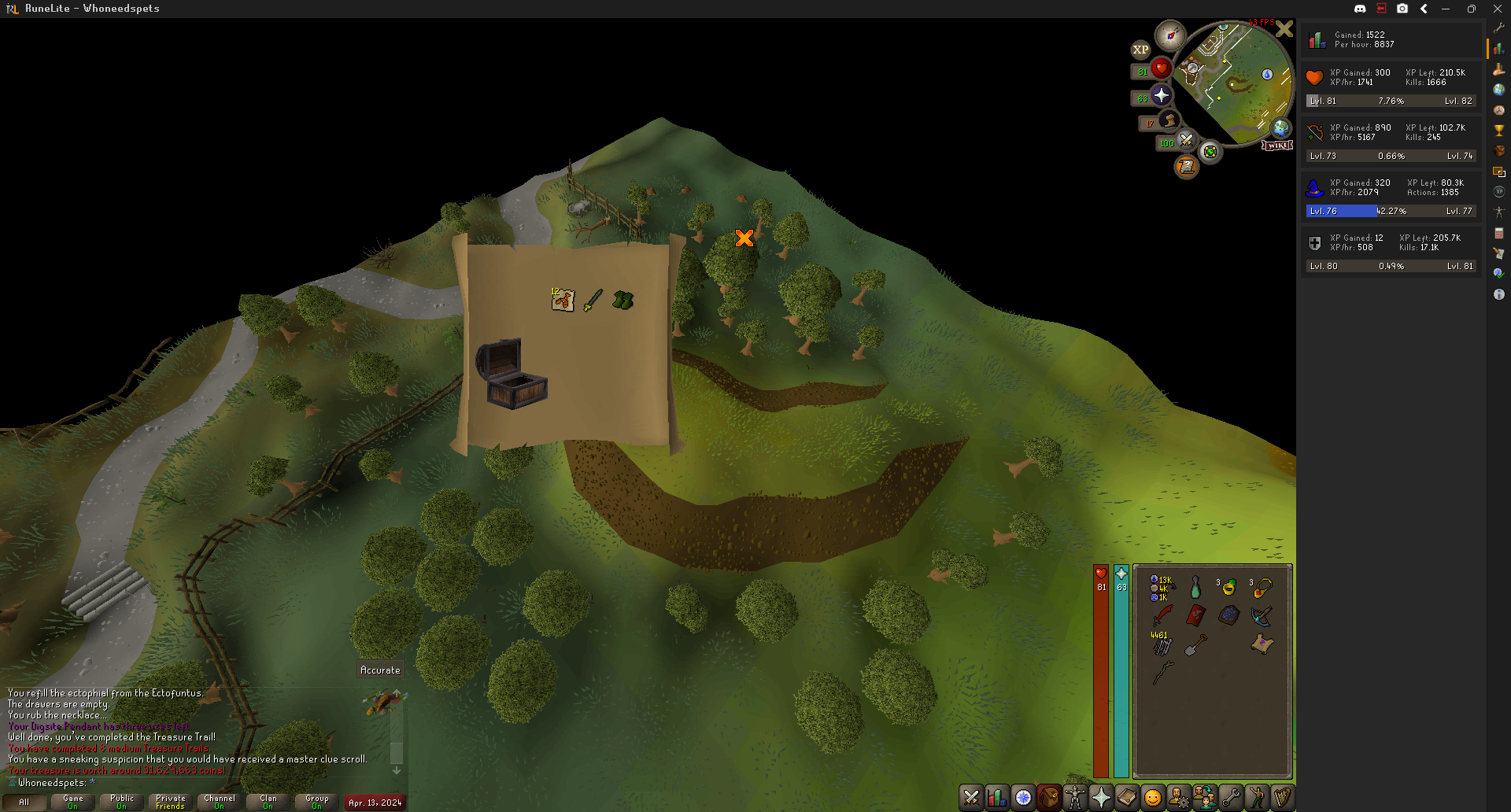
In February 2013, Jagex announced a poll to determine whether to release a separate branch of the game based on a snapshot of the code from August 2007. Wikipedia The community voted overwhelmingly in favour, and on 22 February 2013 Old School RuneScape (OSRS) was launched for paying members, with a free-to-play version following in February 2015. Wikipedia
The significance of OSRS lies in its preservation of the “pre-RS3” style: older UI, combat mechanics, slower progression, and greater nostalgic appeal to long-time players. In OSRS future updates are governed by player polls (e.g., requiring ~70-75% approval) for major changes. Wikipedia
Meanwhile, RS3 has evolved more aggressively: newer engine, modern mechanics, and an update pace that is less constrained by purely nostalgic considerations. As some analysts observe: “the Evolution of Combat update … fractured the community” as veteran players felt the original style had been changed too much. MMOBomb
All Together: Versions, Community and Legacy
- RuneScape Classic: The original 2001 browser version, gradually retired (official Classic servers closed in August 2018). Wikipedia
- RuneScape 2 / then simply “RuneScape”: Introduced 2004 engine overhaul. (RuneTek)
- RuneScape 3 (RS3): 2013 and onwards, modernized UI/engine, often seen as the mainstream evolution of the brand.
- Old School RuneScape (OSRS): 2013-present. Based on 2007 snapshot. Running in parallel to RS3. Maintains strong community support and nostalgia-driven updates. Throughout its lifecycle, the game has remained one of the longest-running MMORPGs, notable for free-to-play options, a massive account count (hundreds of millions) and a continuously evolving live-service model. Wikipedia
The Gower Brothers and Their Role
Andrew Gower began programming the early game engine; Paul Gower worked alongside Andrew on programming skills, areas and mechanics. RuneScape Wiki
Both are credited as designers of RuneScape. Their early bedroom-development evolved into a business via Jagex in 1999 (official founding), setting the stage for a game built around their vision of browser-based multiplayer RPGs. Although they eventually left Jagex’s board in around 2010 and pursued other projects, their creation continues to live on through the numerous versions of the game. Wikipedia
Why the Branch Matters
The branching into OSRS vs RS3 exposed a key tension in live-service design: newer mechanics and modern graphics can alienate longtime users who prefer earlier gameplay styles. The success of OSRS showed the strength of community nostalgia, and the value of maintaining parallel versions catering to two distinct player segments. Meanwhile RS3 continues to evolve forward with new skills, content and engine upgrades aimed at modern gamers. Together they illustrate how a legacy game can diversify rather than simply “upgrade” in place.